
| ⚪ 以下單數行是按鈕文字,雙數行是網頁page_no 或 #ID, 也可以輸入外部網址http. 最多可10個按鈕 |
| Booking |
| https://elmt.apricotbooking.com/booking/v1/create/?searchBy=pract&lang=en |

Anxiety may be found when patients hear "root canal treatment". Modern root canal treatment is a comfortable, predictable procedure that relieves pain and saves teeth that would otherwise need extraction. This page will demystify root canal treatment, explain when it is needed, and show you how the experience can be much more comfortable than you might imagine.
What is Root Canal Treatment?
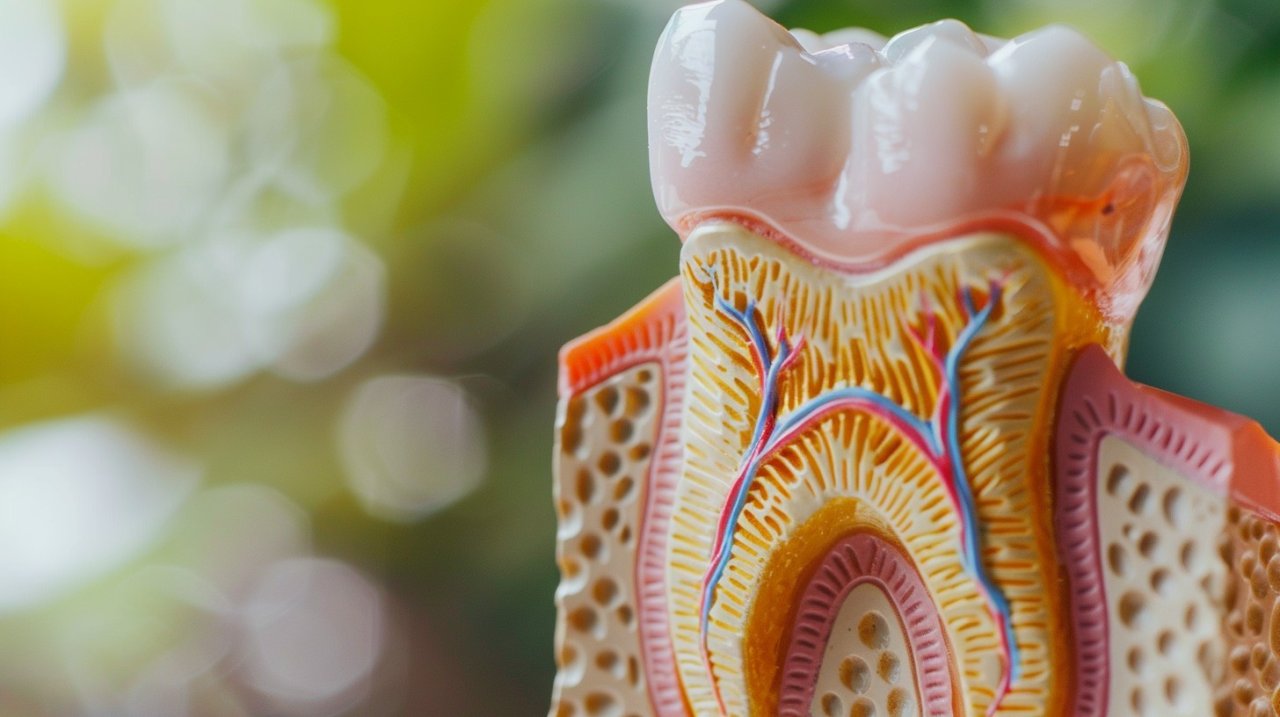
Root canal treatment (endodontic therapy) is a precise dental procedure to remove infected or damaged tissue from inside a tooth. This treatment eliminates pain, stops the spread of infection, and preserves your natural tooth structure.
The Process in Simple Terms:
1. Access: A small opening is made in the tooth crown
2. Cleaning: Infected nerve tissue and bacteria are removed from root canals
3. Shaping: Canals are carefully shaped to receive filling material
4. Filling: Canals are sealed with biocompatible material
5. Restoration: The tooth is restored with a filling or crown
Signs You May Need Root Canal Treatment
Common Symptoms:
· Severe toothache when chewing or applying pressure
· Prolonged sensitivity to hot or cold temperatures
· Tooth discoloration (darkening)
· Swollen, tender gums near the painful tooth
· Pimple-like bump on gums near the tooth
· Deep decay or crack that reaches the tooth’s pulp
Less Obvious Indications (discovered during exams):
· Abscess visible on dental X-rays
· Deep filling close to the nerve
· Trauma to a tooth, even without immediate symptoms
Advantages of Root Canal Treatment
Compared to Tooth Extraction:
· Preserves natural tooth maintaining your smile’s integrity
· Maintains proper chewing function
· Prevents neighbouring teeth from shifting
· No need for bridge or implant replacement
· Normal sensation when biting and chewing
Long-Term Benefits:
· Pain relief from tooth infection or inflammation
· Eliminates infection that could spread to other areas
· Prevents bone loss that occurs after extractions
· Maintains natural appearance of your smile
· High success rate (over 95% with proper care)
| ⚪ 以下單數行是按鈕文字,雙數行是網頁page_no 或 #ID, 也可以輸入外部網址http. 最多可10個按鈕 |
| Schedule Your Root Canal Consultation |
| 17 |
Step 1: Comprehensive Diagnosis
Digital imaging and thorough examination are to confirm the need for treatment and plan the procedure precisely.
Step 2: Comfortable Procedure
· Local anesthesia ensures you feel no pain during treatment
· Isolation keeps the area clean and protected
· Advanced equipment including rotary instruments for efficiency
· Multiple appointments if needed for complex cases
Step 3: Restoration
After root canal treatment, your tooth will need a crown or filling to protect it and restore full function.
Debunking Root Canal Myths
Myth 1: "Root canals are extremely painful"
Truth: Modern techniques and anesthesia make the procedure no more uncomfortable than getting a filling. Most patients report immediate relief from the pain they were experiencing before treatment.
Myth 2: "It’s better to just pull the tooth"
Truth: Nothing looks, feels, or functions like your natural tooth. Saving it preserves bone, maintains adjacent tooth position, and avoids more extensive dental work though some may argue placing an implant is just as good but that is up for debate and it is best to consider the clinical judgement of our dentist before making a decision.
Myth 3: "Root canals cause illness"
Truth: This outdated theory has been thoroughly debunked by modern science. Root canals are safe, effective procedures that eliminate infection.
Myth 4: "The procedure takes many long visits"
Truth: Most root canals can be completed in 1-2 visits of 60-90 minutes each, depending on complexity.
After Your Root Canal: Care and Recovery
Immediate Aftercare:
· Temporary numbness for a few hours
· Possible tenderness for a few days (manageable with over-the-counter pain relievers)
· Avoid chewing on the treated tooth until fully restored
· Good oral hygiene around the temporary restoration
Long-Term Success:
· Regular dental check-ups to monitor the tooth
· Proper oral hygiene including brushing and flossing
· Prompt restoration with a crown to protect the tooth
· Avoid excessive force on the treated tooth
| ⚪ 以下單數行是按鈕文字,雙數行是網頁page_no 或 #ID, 也可以輸入外部網址http. 最多可10個按鈕 |
| Schedule Your Root Canal Consultation |
| 17 |

| Q: Will I feel pain during the procedure? |
| No. With modern anesthesia techniques, you should feel no more discomfort than during a routine filling. |
| Q: How long does a root canal last? |
| With proper care and restoration, a root canal can last a lifetime. The success rate is over 90% but depends on the clinical situation of the tooth. |
| Q: Why do I need a crown after a root canal? |
| Root canal-treated teeth are more brittle and susceptible to fracture. A crown provides protection and restores full function. |
| Q: Are there alternatives to root canal treatment? |
| The only alternative is tooth extraction, which then requires replacement with an implant, bridge, or partial denture. |
| Q: Can all teeth be treated with root canal therapy? |
| Most can, but in some cases of severe fracture, advanced decay, or inaccessible canals, extraction may be recommended. |
Investment in Preserving Your Natural Tooth
While root canal treatment requires an investment, it is typically more cost-effective than extraction followed by tooth replacement. Preserving your natural tooth also maintains bone health and prevents the need for more extensive dental work in the future.
Relief and Preservation with Endodontic Treatment
If you are experiencing tooth pain or have been told you need a root canal, do not delay treatment. Early intervention leads to easier procedures and better outcomes. Contact us today to schedule a consultation and learn how we can relieve your pain while saving your tooth.
| ⚪ 以下單數行是按鈕文字,雙數行是網頁page_no 或 #ID, 也可以輸入外部網址http. 最多可10個按鈕 |
| Schedule Your Root Canal Consultation |
| 17 |
Disclaimer: This information is for educational purposes. Individual treatment recommendations are made during personal consultations with our dental professionals.