
| ⚪ 以下單數行是按鈕文字,雙數行是網頁page_no 或 #ID, 也可以輸入外部網址http. 最多可10個按鈕 |
| Booking |
| https://elmt.apricotbooking.com/booking/v1/create/?searchBy=pract&lang=en |
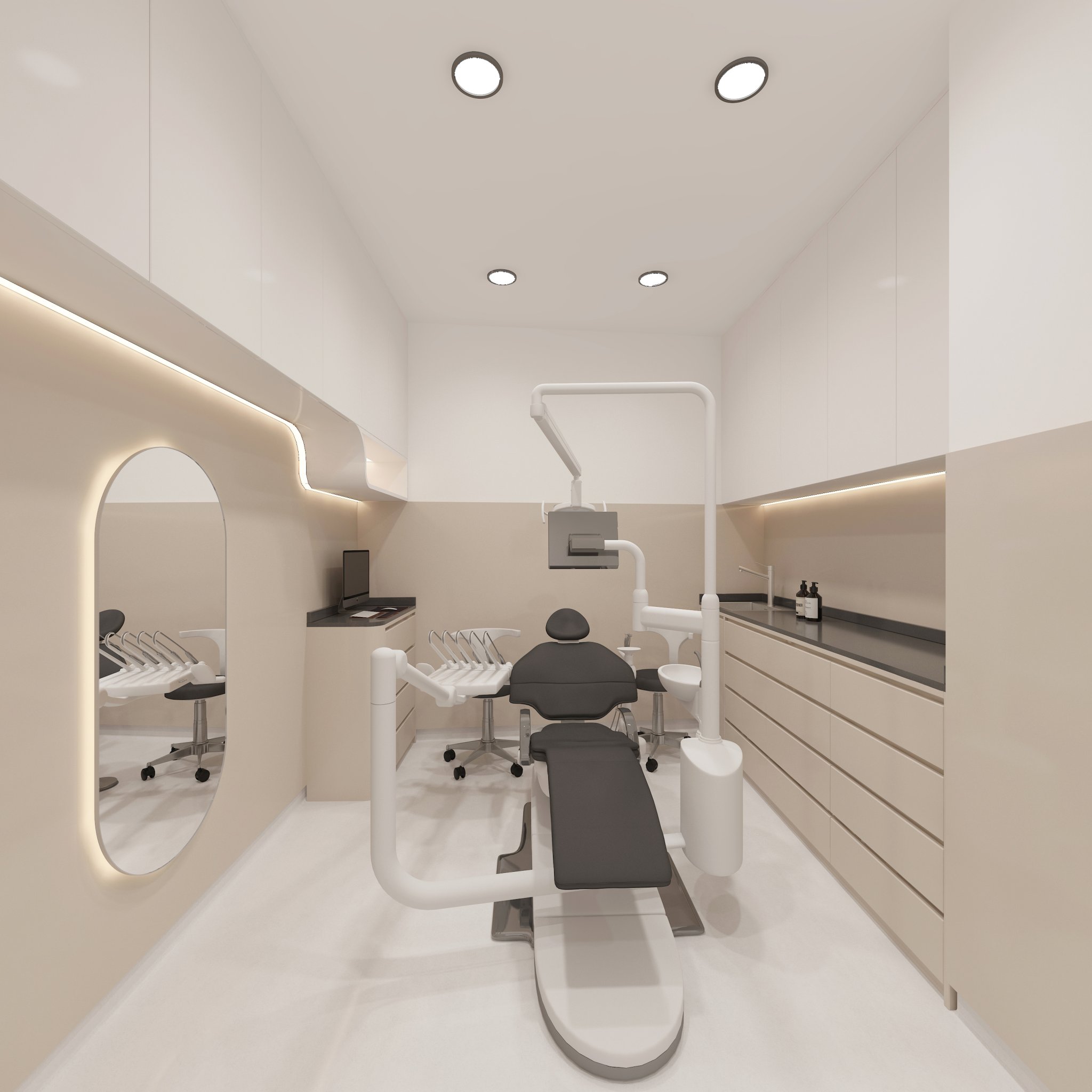
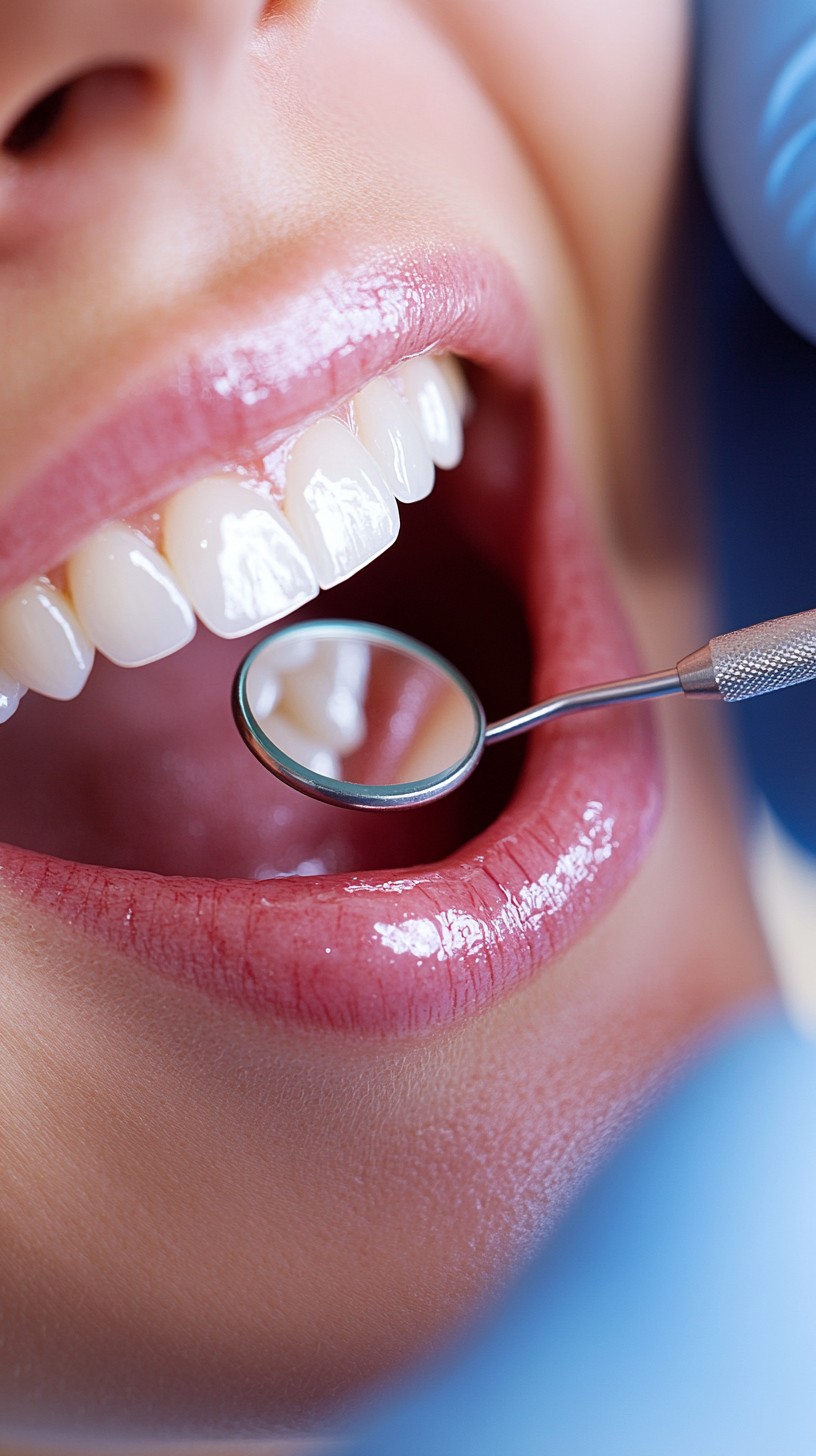
Healthy gums are the essential foundation for a healthy smile and overall well-being. Periodontal (gum) disease is a common but serious condition that affects not just your oral health, but has been linked to systemic health issues. The good news is that with proper care and early intervention, gum disease is treatable and often preventable. This page will help you understand periodontal disease, its implications, and how specialised care can help restore and maintain your oral health.
Understanding Periodontal Disease
Periodontal disease is an infection of the tissues that surround and support your teeth. It is typically caused by plaque—a sticky film of bacteria that constantly forms on teeth. When not properly removed, plaque hardens into tartar, leading to inflammation and infection.
The Two Main Stages:
1. Gingivitis
· The early, reversible stage of gum disease
· Symptoms include red, swollen gums that may bleed easily during brushing or flossing
· No bone loss has occurred yet
· Can be reversed with professional cleaning and improved home care
2. Periodontitis
· Advanced stage where the infection has damaged the supporting bone and fibres
· Gums may recede, forming "pockets" between teeth and gums
· Can lead to tooth mobility and eventual tooth loss if untreated
· Requires professional intervention to manage
Why Periodontal Health Matters
Consequences of Untreated Gum Disease:
· Tooth loss: The leading cause of tooth loss in adults
· Bone destruction: Permanent damage to the jawbone supporting teeth
· Gum recession: Teeth appear longer, increasing sensitivity and aesthetic concerns
· Bad breath: Persistent halitosis caused by bacteria
· Systemic health links: Research associates periodontitis with increased risk of heart disease, stroke, diabetes complications, respiratory diseases, and adverse pregnancy outcomes
The Silent Progression:
Gum disease is often called a "silent disease" because it can progress with minimal symptoms until significant damage has occurred. Regular dental exams are crucial for early detection.
| ⚪ 以下單數行是按鈕文字,雙數行是網頁page_no 或 #ID, 也可以輸入外部網址http. 最多可10個按鈕 |
| Schedule Your Periodontal Evaluation |
| 17 |

A comprehensive, staged approach will be given when providing periodontal care, which is also tailored to each patient’s specific condition and needs.
Phase 1: Diagnosis & Assessment
· Comprehensive periodontal examination measuring pocket depths around each tooth
· Digital X-rays to assess bone levels
· Discussion of your medical history and risk factors (smoking, diabetes, genetics)
Phase 2: Non-Surgical Therapy (The Foundation)
· Root Surface Debridgement: A meticulous deep cleaning procedure to remove plaque and tartar from tooth surfaces and root areas (below the level of the gum)
· Oral hygiene reinforcement with personalised home care instructions
· Risk factor modification counseling (smoking cessation, dietary advice)
Phase 3: Re-evaluation & Surgical Care (If Needed)
· Reassessment of healing 4-6 weeks after initial therapy
· Periodontal surgery for advanced cases (pocket reduction, regenerative procedures, gum grafting)
· Referral to a periodontist for complex cases, with coordinated care
Phase 4: Maintenance & Support
· Customised recall schedule (typically every 3-4 months for periodontal patients)
· Ongoing monitoring of pocket depths and gum health
· Professional maintenance cleanings
· Lifetime support to manage your condition
| ⚪ 以下單數行是按鈕文字,雙數行是網頁page_no 或 #ID, 也可以輸入外部網址http. 最多可10個按鈕 |
| Schedule Your Periodontal Evaluation |
| 17 |

| Q: Is gum disease curable? |
| Gingivitis (early stage) is completely reversible with proper care. Periodontitis (advanced stage) is not curable but is highly manageable — like hypertension or diabetes. With proper professional care and good home maintenance, it can be controlled to prevent further damage. |
| Q: Will treatment be painful? |
| We use local anesthesia to ensure comfort during deep cleaning procedures. Most patients report minimal discomfort, often less than they anticipated. Post-treatment sensitivity is normal and temporary. |
| Q: How often will I need to come in for cleanings? |
| While traditional dental cleanings occur every 9 to 12 months, periodontal maintenance typically requires visits every 3-4 months. This frequent care is essential to control the bacterial infection and monitor your condition. |
| Q: Is gum disease contagious? |
| The bacteria that contribute to gum disease can be transmitted through saliva, but development of the disease depends more on individual immune response, oral hygiene, and risk factors. |
| Q: Can I still get gum disease if I brush and floss regularly? |
| Yes. While excellent home care significantly reduces risk, factors like genetics, systemic health conditions (like diabetes), smoking, medication side effects, and hormonal changes can increase susceptibility. Regular professional cleanings are essential to remove tartar that you cannot remove at home. |
| Q: Do I need surgery? |
| Most patients respond well to non-surgical therapy. Surgery is typically reserved for cases where deep pockets and bone loss persist after initial treatment. We always start with the most conservative approach first. |
Prevention: Your First Line of Defense
Daily Habits for Healthy Gums:
· Brush twice daily with a soft-bristled toothbrush, angling bristles toward the gumline
· Floss daily to clean between teeth where brushes can’t reach
· Antimicrobial mouthwash as recommended by your dentist
· Healthy diet low in sugary snacks and acidic drinks
· Avoid tobacco in all forms
· Manage stress which can affect your immune response
· Regular dental visits for professional cleanings and exams
A Partnership in Your Oral Systemic Health
Treating periodontal disease is a partnership between you and the dental team. Dentists provide professional care and guidance, while you maintain consistent home care. Together, we can control the disease, preserve natural teeth, and contribute to overall health.
Take the First Step Toward Healthier Gums
If you are experiencing bleeding gums, persistent bad breath, or gum recession—or if it’s been more than six months since your last dental cleaning—don’t wait. Contact us today to schedule a comprehensive periodontal evaluation.
| ⚪ 以下單數行是按鈕文字,雙數行是網頁page_no 或 #ID, 也可以輸入外部網址http. 最多可10個按鈕 |
| Schedule Your Periodontal Evaluation |
| 17 |
Disclaimer: This information is for educational purposes. Individual treatment recommendations are made during personal consultations with dental professionals based on your specific examination and health history.